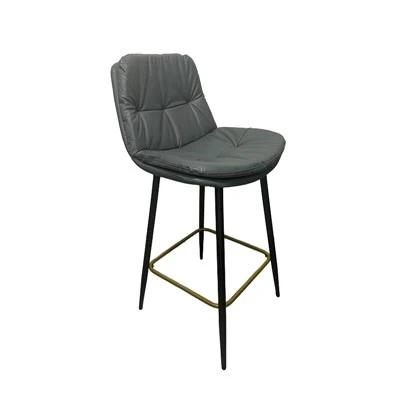
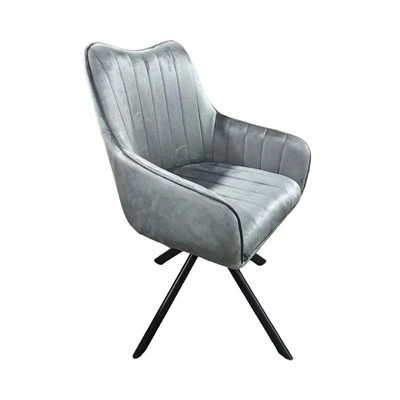
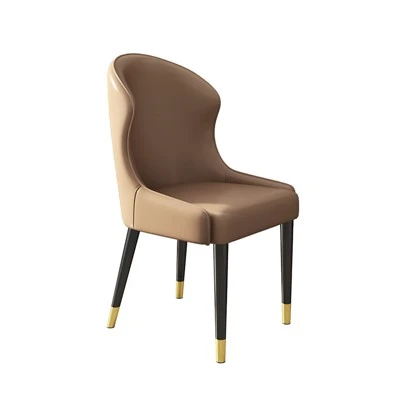
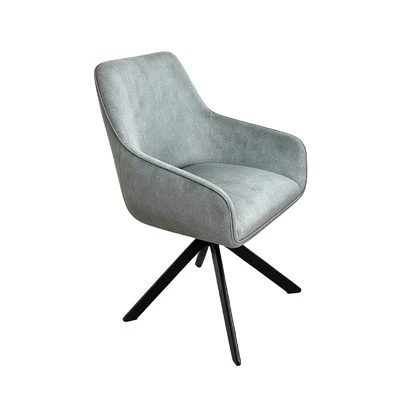
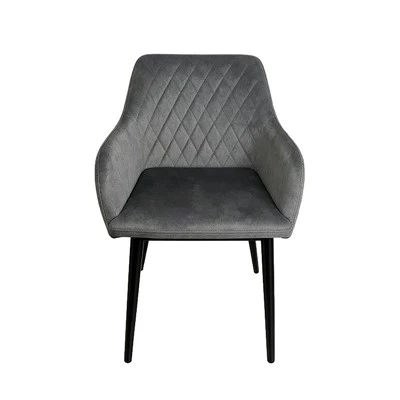
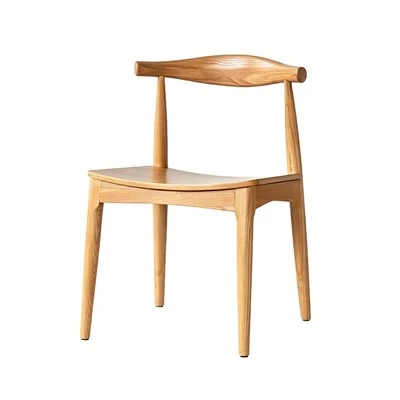
There are many solid wood materials available for dining tables on the market, such as North American black walnut, walnut, wenge, ash, rubberwood, and elm, all of which are good choices.
Currently, among the most common solid wood materials on the market, North American black walnut, cherry, ash, wenge, and beech are considered high-quality materials. These woods are stable, hard, and produce wear-resistant, sturdy, and environmentally friendly products. Pine, cedar, and cypress are softer, which slightly affects the sturdiness of their products, but they are generally cheaper and offer better value for money. Their properties are also much better than those of particleboard dining tables.
1. North American Black Walnut: Abundant in North America and Northern Europe, it is a medium-density, sturdy hardwood. Its surface has a glossy finish, no special odor or taste, fine grain, and is not prone to cracking or corrosion. It is very suitable for making table and chair surfaces.
2. Wenge: Essentially African zebrawood, it has a glossy sheen, straight grain, and fine, even texture. The wood is hard and strong, but it cannot withstand excessively cold or hot, dry or humid environments. It is prone to decay over time, and its color may fade.
3. Ash: Slightly hard, with a straight grain, coarse texture, beautiful grain, good resistance to decay and water, and excellent decorative properties. It is currently a widely used wood for furniture and interior decoration, but ash is prone to warping and shrinkage.
4. Rubberwood: Aged wood from rubber trees used for rubber production. The wood itself is generally of average quality, with good hardness. It comes in two types: domestically produced and from Thailand, with the Thai variety being generally considered better.
5. Walnut: The wood has a glossy sheen, straight or oblique grain, and a slightly coarse texture. It dries slowly but is not prone to warping. The wood is tough, easy to process, and has a smooth cut surface. It has good bending, painting, and gluing properties, and strong nail-holding power.
6. Elm: Beautiful grain, coarse texture, good workability, finishing, and gluing properties, but poor drying properties, prone to cracking and warping.
The quality of a dining table depends on both the material and the craftsmanship. North American black walnut, cherry, and ash (and of course, mahogany is even better) are all good materials, but this is only one aspect. The quality of the workmanship is also crucial. When purchasing, shake the table vigorously to check for wobbling or rattling. Examine the joints under the table for reinforcing hardware or wooden components. Try to choose products from reputable brands to ensure quality and after-sales service.