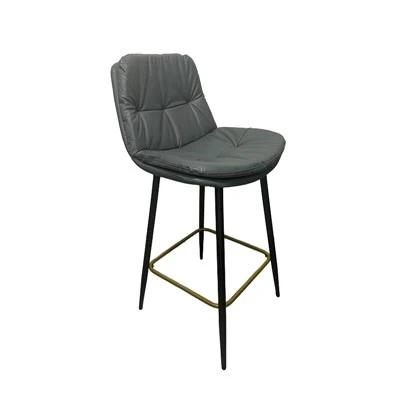
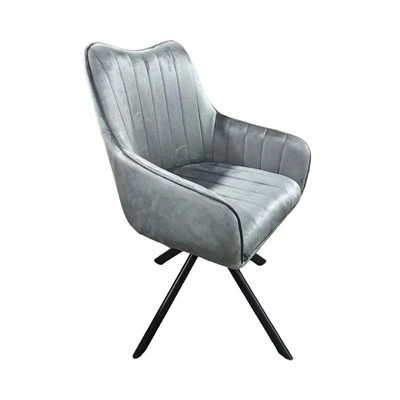
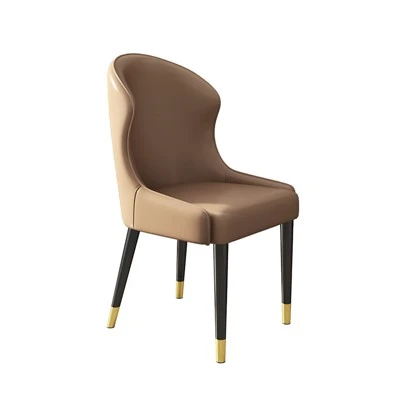
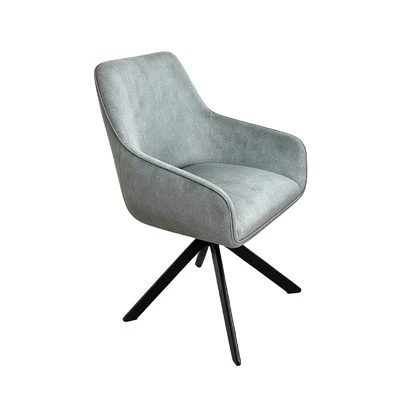
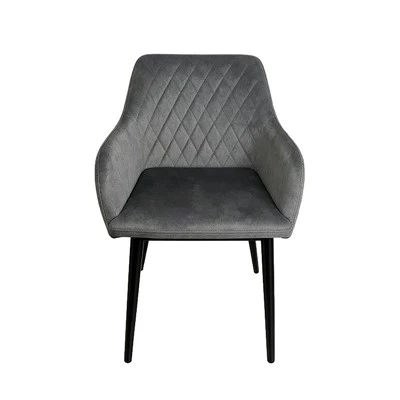
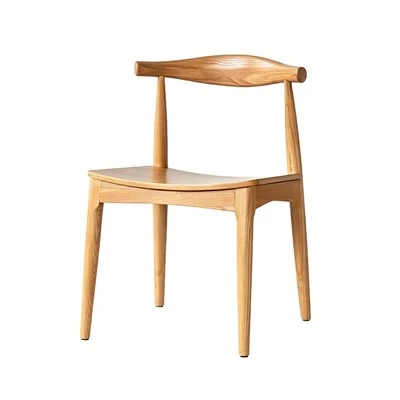
Solid wood dining chairs, as a core category of restaurant furniture, directly impact the user experience through their material characteristics and design details. Modern solid wood dining chairs, through optimized structural strength and ergonomic design, balance durability and comfort, making them suitable for high-frequency use scenarios such as tea restaurants, tea houses, and Western restaurants. Their core value lies in combining the physical properties of natural wood with modern craftsmanship to meet the long-term furniture needs of public dining spaces.
Material Selection and Structural Principles: Modern solid wood dining chairs typically use hardwoods such as beech and oak as the main frame. These woods are characterized by high density and clear grain, and their bending strength can be 2-3 times that of ordinary softwood. The connection between the chair legs and the crossbeams uses mortise and tenon structures or metal reinforcements, enhancing overall stability through physical interlocking or mechanical fixing. The seat may be layered with high-density foam cushions, using a layered design to balance support and softness, avoiding pressure on the buttocks caused by prolonged sitting.
Design Adaptability and Functional Expansion: For the specific needs of scenarios such as tea restaurants, dining chair designs must consider both space utilization and ease of cleaning. Modern designs reduce the chair's footprint by 15%-20% compared to traditional models by decreasing the backrest thickness (typically controlled at 3-5 cm) and optimizing leg spacing. Some models include a hanging slot under the backrest for convenient hanging of bags and other personal items. For scenarios requiring quick cleaning, the seat and backrest are detachable, allowing for partial washing or complete replacement.
Customization and Parameter Adjustment: Customization of solid wood dining chairs primarily focuses on size and appearance. Standard chairs have a seat height of 45-48 cm, but this can be adjusted to 42-50 cm depending on the table height. The backrest angle is typically between 95° and 105°, allowing for adjustments to posture support. Color customization is achieved through natural wood finishes or environmentally friendly water-based paint, supporting popular restaurant color schemes such as walnut, natural wood, and off-white. Note that the customization period is affected by the wood drying time, typically requiring 15-30 business days.
Technical Considerations in Practical Applications: In 24-hour business settings such as teahouses, solid wood dining chairs need to be treated to cope with high humidity environments. Common solutions include applying a moisture-proof agent to the wood surface or using heat treatment to reduce the moisture content (standard control is 8%-12%). For scenarios requiring frequent movement, such as fast food restaurants, sound-absorbing and wear-resistant pads can be added to the bottom of the chair legs to reduce floor scratches and movement noise. Some high-end models have elastic steel plates embedded inside the chair back, which absorb the pressure of the human body through metal deformation, extending the service life of the wood.