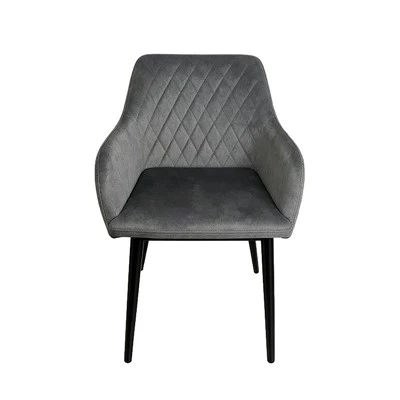
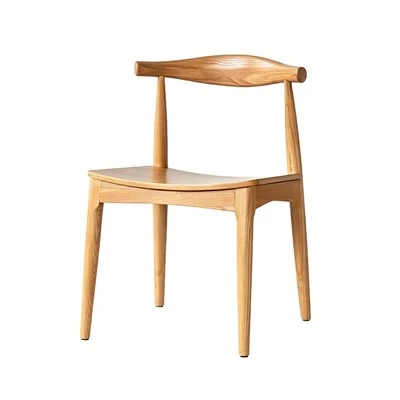
The murals in Dunhuang Cave 285 depict two people sitting on chairs; the murals in Cave 257 show women sitting on square stools and long benches with crossed legs; and the stone carvings in the Lotus Cave of Longmen Grottoes depict women sitting on round stools. These images vividly reproduce the use of chairs and stools in the homes of officials and nobles during the Northern and Southern Dynasties. Although the seating at that time already possessed the shapes of chairs and stools, because there were no specific terms for chairs and stools at the time, people still commonly referred to them as "Hu beds". In temples, they were often used for meditation, hence the name "meditation bed" . After the Tang Dynasty, the use of chairs gradually increased, and the name "chair" became widely used, thus separating it from the category of beds. Therefore, when discussing the origin of chairs and stools, one must begin with the Hu beds, which were introduced from India during the Han and Wei Dynasties.
Before the Tang Dynasty, the character (chair) also had another interpretation, meaning "side railing of a carriage." Its function was to provide support for people riding in carriages. Later chairs, in their form, consisted of a platform supported by four legs with a railing attached. Their design was likely inspired by the railing of a carriage, and the name "chair" was adopted from this. Judging from existing records, chairs were already quite sophisticated during the Tang Dynasty.
From the Five Dynasties to the Song Dynasty, tall seating became unprecedentedly popular, and chair styles diversified, including chairs with backrests, armchairs, and round-backed chairs. Furthermore, the shape, materials, and functions of chairs varied according to social status.
Furniture from the Five Dynasties to the Song Dynasty largely retained the style of the Tang Dynasty, but tall furniture became even more prevalent.
Chairs were very ancient and simple, remaining a common feature for many centuries. During the Early Dynastic period, chair backs and seats were covered with cloth or leather, or carved wood, but the covered area was far less than that of 21st-century chairs; the seat sometimes only 25 centimeters off the ground. Chairs in ancient Egypt appear to have been much more elaborate, using antique ebony, ivory carvings, and gilded wood. They were covered with expensive materials, ornate patterns, and carvings of hunted animals or captive figures. Generally, the higher the individual's status, the taller and more ornate their chair-a symbol of honor.